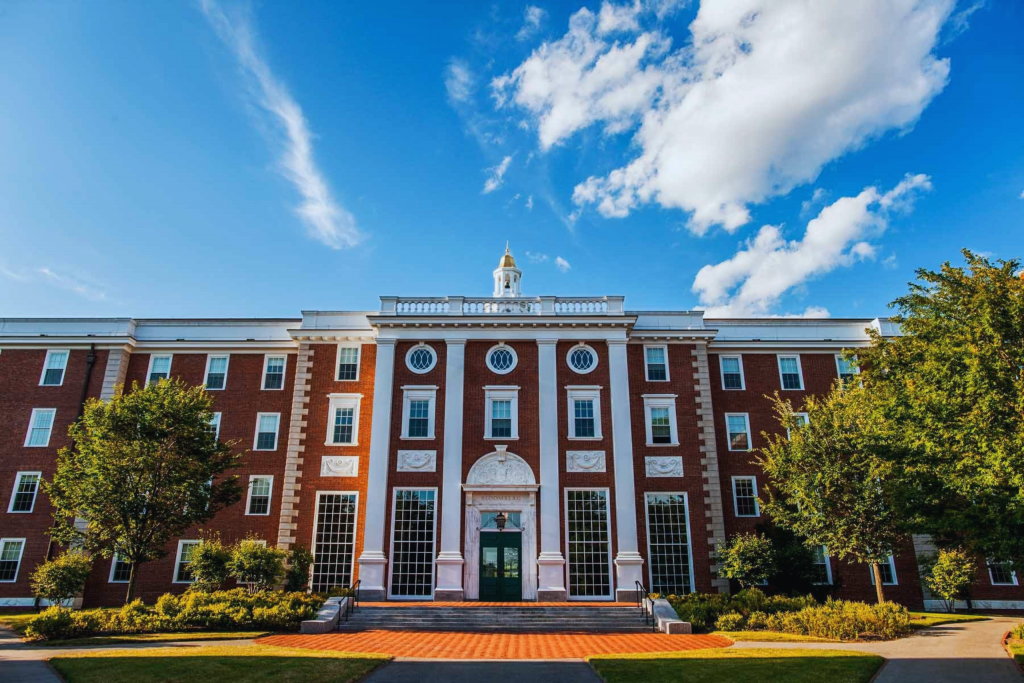
In the continuing escalation between the Trump administration and Harvard, last week on June 4, 2025, President Donald Trump issued a proclamation suspending the entry of all new Harvard students on F-1, M-1, and J-1 visas and ordering the State Department and Department of Homeland Security to consider revoking current visas as well. The White House framed the move as a national-security measure, citing “concerning foreign ties and radicalism” on campus.
Harvard immediately amended an existing lawsuit (it was already challenging DHS’s May 22 attempt to strip the university of SEVP, Student and Exchange Visitor Program, certification) and, within 24 hours, U.S. District Judge Allison Burroughs issued a temporary restraining order (TRO) halting enforcement of the proclamation.
A fuller hearing is set for next Monday, June 16, but for now, the ban is frozen.
Although the proclamation singles out Harvard, its logic tying specific campuses to alleged security risks could be applied to other institutions. The State Department also paused visa interviews for all new F-1 visa applicants, communicating that they are considering creating a new social media vetting process and need time to develop and implement it. News on F-1 visa interviews restarting, or at the very least information on that timeline, is expected this week.
Note: The F-1 visa is the principal non-immigrant visa for academic students studying in the US.
It wasn’t so long ago that ICE (US Immigration and Customs Enforcement) tried to stop international students from studying in America. In July 2020, ICE attempted to force international students with fully online course loads to leave the country. That was met with equally quick action when Harvard and MIT sued, and dozens more universities and tech firms filed amicus briefs. ICE ended up rescinding the rule in less than nine days.
A similar resolution could unfold as just yesterday, on June 10th, five Ivy league schools, over 12,000 Harvard alumni, and 19 other universities filed amicus briefs in support of Harvard’s legal battle.
Time frame | What to watch | Practical steps |
June 2025 | Temporary Restraining Order (TRO) in place; June 16 hearing will decide whether to issue a preliminary injunction. | Stay enrolled and keep SEVIS records current. If you are a new admit and in the United States, pause non-essential travel until the injunction question is settled. |
Summer 2025 | Possible appeal to the First Circuit; consular interview backlog may persist regardless of case outcome. | Work with your university’s Designated School Official (DSO) to secure alternative visa appointment locations (e.g., Seoul or Singapore) if Tokyo slots remain limited. |
2025-26 academic year | If courts side with Harvard (most likely scenario), expect restoration of normal visa issuance, though heightened security screening for certain countries may linger. | Keep every I-20, funding letter, and enrollment confirmation on hand when re-entering the U.S.; secondary inspection referrals may increase. |
The U.S. has long oscillated between welcoming and restricting foreign talent, but every significant attempt to curtail lawful study has met formidable legal headwinds. The 2025 proclamation is following the same trajectory. While the next few weeks may feel uncertain, precedent and the united front of higher education point toward a restoration of the status quo.
Visit our Resource Center and gain access to recorded webinars, podcast episodes, school profiles, and more.